
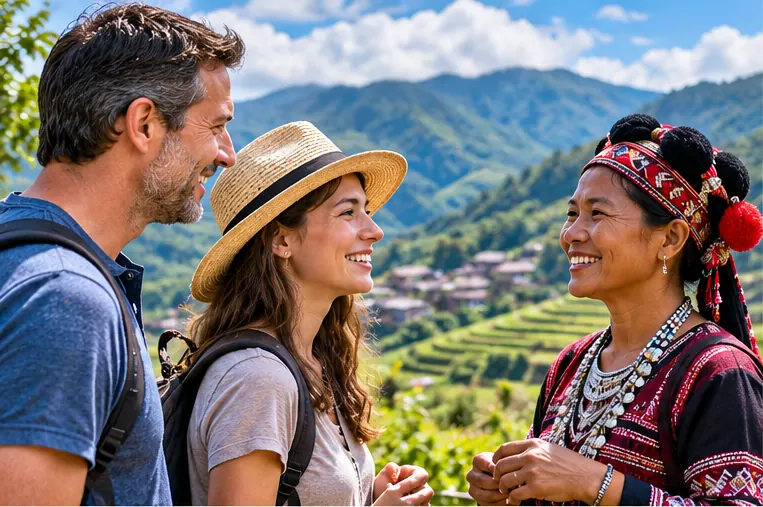
Understanding the Importance of Cultural Intelligence
Cultural Intelligence is an important part of becoming a thoughtful and confident international traveller. It helps you recognise cultural differences, understand unfamiliar traditions and communicate respectfully with people from different backgrounds.
Travelling is more than visiting famous landmarks and exploring beautiful destinations. It is also about discovering the people, values, traditions, food, languages and everyday experiences that give each destination its unique identity.
When you understand the culture of a place, you can approach new experiences with greater confidence, avoid unnecessary misunderstandings and develop a deeper appreciation of the communities you visit.
At Day2Day Travel Tips, we believe that meaningful travel begins with curiosity, respect and a willingness to learn.

Why Cultural Intelligence Matters When Travelling
Understanding cultural differences can improve the way you experience destinations and interact with the people who live there.
Build Meaningful Connections
Learning about local traditions and showing interest in people’s everyday lives can create more positive interactions with residents, local guides and fellow travellers.
Avoid Cultural Misunderstandings
Greetings, gestures, communication styles and social expectations vary between communities. Cultural awareness helps you recognise these differences and respond appropriately.
Discover Authentic Experiences
Understanding the background of local food, festivals, architecture and traditional activities can make your experiences more interesting and rewarding.
Respect Local Traditions
Being aware of cultural expectations helps you approach religious places, community events and traditional environments with consideration.
Encourage Responsible Tourism
Respecting cultural heritage and supporting community-led experiences helps tourism contribute positively to the places people call home.
Become a Better Global Traveller
Every journey provides an opportunity to learn, develop an open mind and appreciate the diversity of people and communities around the world.
Learn About Local Customs and Traditions
Every destination has social customs and traditions that influence how people communicate, celebrate important occasions, welcome guests and maintain relationships.
Before travelling, take time to research the customs of your destination. Find out how people commonly greet one another, what clothing is appropriate in different settings and whether particular behaviours are expected when visiting homes or religious buildings.
Remember that customs can vary within the same country. Different regions, generations and communities may have their own practices. Avoid making assumptions based on general descriptions of an entire population.
A respectful attitude, willingness to listen and interest in learning can help you navigate unfamiliar social situations.

Important Cultural Differences Travellers Should Understand
Small differences in everyday behaviour can have different meanings depending on the destination.
Greetings and Social Etiquette
Greetings may involve handshakes, bows, verbal expressions or other local customs. Observe how people interact and avoid assuming that everyone is comfortable with physical contact.
Clothing and Appearance
Dress expectations differ between beaches, cities, religious sites and traditional communities. Check local guidance and dress appropriately for the places you intend to visit.
Food and Dining Customs
Dining traditions may involve particular utensils, shared dishes, meal times and expectations when eating with others. Be respectful and communicate dietary requirements clearly.
Religion and Beliefs
Religious practices influence daily life in many destinations. Respect sacred spaces, prayer times, religious celebrations and restrictions that apply to visitors.
Communication and Gestures
Body language, personal space, eye contact and hand gestures can carry different meanings. Use clear and polite communication when you are unsure.
Time and Social Expectations
Attitudes towards punctuality, appointments and social gatherings can differ. Learn the expectations relevant to your activities and remain patient when arrangements change.
Discover Cultural Diversity Around the World
Every region offers distinctive traditions, heritage and experiences. Explore different cultures with curiosity rather than relying on stereotypes.
Africa: Heritage, Hospitality and Community
Africa offers extraordinary cultural diversity, including traditional music, storytelling, craftsmanship, languages, food and community celebrations. Travellers can discover different ways of life through local markets, historic places and community-led cultural experiences.
Asia: Traditions, Spirituality and Everyday Life
Across Asia, visitors encounter diverse religious traditions, historic architecture, festivals, food cultures and social customs. Learning about local etiquette can help visitors appreciate the significance of temples, ceremonies and community traditions.
Europe: History, Regional Identity and Heritage
European destinations offer a combination of historical landmarks, regional traditions, distinctive cuisines, art and architecture. Cultural practices can vary significantly between countries and neighbouring regions.

North America
Discover Indigenous heritage, multicultural communities, historical sites and regional traditions across Canada, the United States and Mexico.
South America
Explore Indigenous traditions, historic cities, regional cuisines, music, festivals and the cultural influences that shape different communities.
Oceania
Learn about Indigenous heritage, Pacific Island traditions, community histories and the cultural significance of landscapes and natural environments.
Improve Communication Across Cultures
Communication is an essential part of cultural understanding. Even when travellers and local residents speak the same language, differences in expressions, humour, tone and body language can sometimes create confusion.
Learning a few basic phrases in the local language is a simple way to show interest and respect. Start with greetings, please, thank you, excuse me and useful expressions for asking questions or requesting assistance.
Be patient when conversations are difficult. Speak clearly, avoid complicated expressions and give others time to respond. Translation applications can help, but they should support respectful human communication.
Most importantly, listen carefully and avoid judging unfamiliar communication styles using only the expectations of your own culture.

Practise Responsible Cultural Tourism
Responsible tourism allows visitors to enjoy cultural experiences while respecting the people and communities who maintain local traditions.
Support Local Businesses
Consider locally operated tours, restaurants, accommodation and traditional craft businesses. These choices can help tourism contribute to local livelihoods.
Respect Photography Rules
Ask permission before photographing people and follow restrictions at religious, cultural and historical locations.
Protect Cultural Heritage
Follow visitor instructions at historical sites, avoid touching fragile objects and never remove cultural materials or protected artefacts.
Practical Cultural Intelligence Tips for Travellers
A little preparation can help you feel more confident when exploring unfamiliar destinations.
Learn about its history, traditions and everyday social customs.
Practise greetings and polite phrases in the local language.
Check clothing requirements for religious and cultural locations.
Pay attention to how people interact in everyday situations.
When unsure about a custom, ask politely rather than making assumptions.
Consider privacy, personal space and photography preferences.
Choose responsible experiences and locally operated businesses.
Accept that different communities may have different values and expectations.
Explore Cultures and Destinations Around the World
Ready to discover a new place? Visit our Destinations page to search for cities, countries and travel information published across Day2Day Travel Tips. Explore different locations and learn more about the places you would love to visit.
Travel Beyond the Tourist Attractions
Some of the most rewarding travel experiences happen when visitors take time to understand the communities behind a destination. A traditional meal, a local festival, a conversation with a guide or a visit to a historic neighbourhood can offer valuable insight into everyday life.
Approach these experiences with curiosity and respect. Look for opportunities to learn directly from local people and choose activities that recognise the importance of cultural heritage.
For more inspiration, explore our Travel Guides, Travel Tips and Travel Planning resources.
Explore Responsibly
Follow local visitor guidance, respect community traditions, protect cultural sites and remember that you are a guest in the places you visit.
Related Travel Resources
Explore more Day2Day Travel Tips sections to help you prepare for your next adventure.
Useful Cultural Heritage Resources
Explore additional information from international organisations working to protect cultural heritage and promote cultural understanding.
UNESCO
Learn about cultural diversity, heritage preservation and the importance of protecting cultural traditions.
UN Tourism
Explore international tourism principles and guidance that encourage responsible travel and respect for host communities.
UNESCO Intangible Heritage
Discover living cultural traditions, performing arts, traditional knowledge and community heritage.
Frequently Asked Questions About Cultural Intelligence
What is Cultural Intelligence in travel?
Cultural Intelligence is the ability to understand, appreciate and adapt respectfully to cultural differences. It helps travellers communicate effectively and navigate unfamiliar social situations.
Why is cultural awareness important for travellers?
It helps visitors avoid misunderstandings, respect local traditions, communicate more effectively and develop more meaningful travel experiences.
How can I learn about a destination’s culture?
Research local history, read reliable destination guides, learn basic language expressions and consult official cultural and tourism resources before travelling.
Do I need to learn the local language before travelling?
You do not need to become fluent, but learning greetings and basic polite expressions can improve communication and demonstrate respect.
How can I respect local customs when travelling?
Research local expectations, dress appropriately, follow visitor rules, ask permission before taking photographs and remain considerate of local beliefs and traditions.
What should I do if I accidentally offend someone?
Listen carefully, remain respectful and offer a sincere apology when appropriate. Use the experience as an opportunity to understand local expectations better.
Discover More. Understand More. Travel Better.
Every destination offers something new to learn. Explore the world with curiosity, respect different cultures and make every journey an opportunity to discover more about the people and places around you.